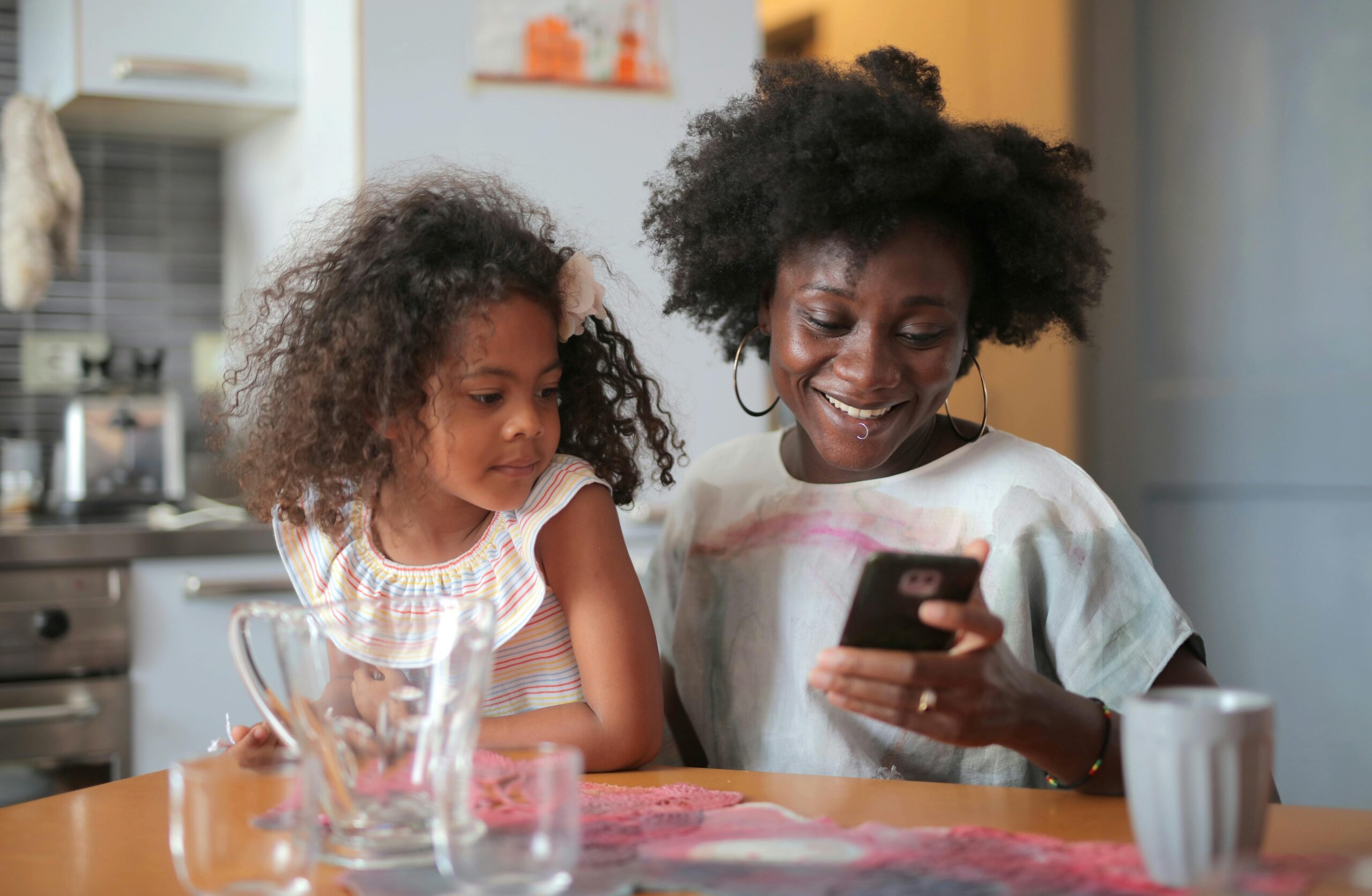
In an era where social media captures almost every aspect of our lives, many parents find joy in sharing moments of their children’s growth, achievements, and daily life online. This practice—known as sharenting (a blend of “sharing” and “parenting”)—has become a digital norm. However, beneath the adorable pictures and celebratory posts lies a series of complex ethical, psychological, and security issues that digital parents must confront.
What is Sharenting?
Sharenting refers to the act of parents posting content about their children on social media platforms. This can range from birth announcements and baby pictures to school performances and everyday candid moments.
According to studies, the average child has over 1,300 photos of them posted online before the age of 13, many without their knowledge or consent. While well-intentioned, this habit carries long-term consequences.
Why Do Parents Sharent?
-
Connection: Sharing milestones helps distant family and friends stay involved.
-
Pride: Parents are proud and want to showcase their children’s growth and achievements.
-
Validation: Social media “likes” and comments can reinforce a parent’s sense of competence or identity.
-
Memory Keeping: Some treat social platforms as digital albums or journals.
The Hidden Dangers of Sharenting
1. Privacy Invasion
Children have a right to digital privacy, yet sharenting often exposes them without their consent. Photos and posts may reveal names, locations, routines, or even health conditions—details that could be misused.
2. Digital Footprint Before Consent
By posting online, parents create a permanent digital identity for their child. This may affect them later in life—impacting educational, social, or employment opportunities when their childhood history resurfaces online.
3. Child Identity Theft
Seemingly harmless posts can lead to data breaches. Cybercriminals can piece together personal information from multiple posts to steal a child’s identity, apply for credit, or create fake profiles.
4. Psychological Impact
Growing up with an online presence they didn’t choose may affect a child’s self-esteem, autonomy, or trust. Some may feel embarrassed, violated, or exposed when old photos or personal stories resurface.
5. Risk of Exploitation
Images of children, even innocent ones, can be stolen, manipulated, or reposted in inappropriate contexts. Sadly, such material sometimes ends up on platforms used by predators.
Best Practices for Responsible Sharenting
If you choose to share, consider these safer, more respectful ways to practice digital parenting:
Ask Before You Post
As your children grow, involve them in decisions. Ask older children if they’re comfortable with certain images or captions being shared.
Review Privacy Settings
Regularly audit your social media accounts to control who sees your posts. Avoid posting publicly or to wide audiences.
Limit Personal Information
Refrain from posting full names, birth dates, school names, or geotagged locations. These can all be used to piece together a child’s identity.
Think Long-Term
Before you post, ask: “Will my child be okay with this when they’re older?” What’s funny or cute today may be cringeworthy or harmful later.
Use Private Sharing Tools
Use encrypted messaging apps or private cloud albums to share updates with close friends and family instead of social media.